Intro
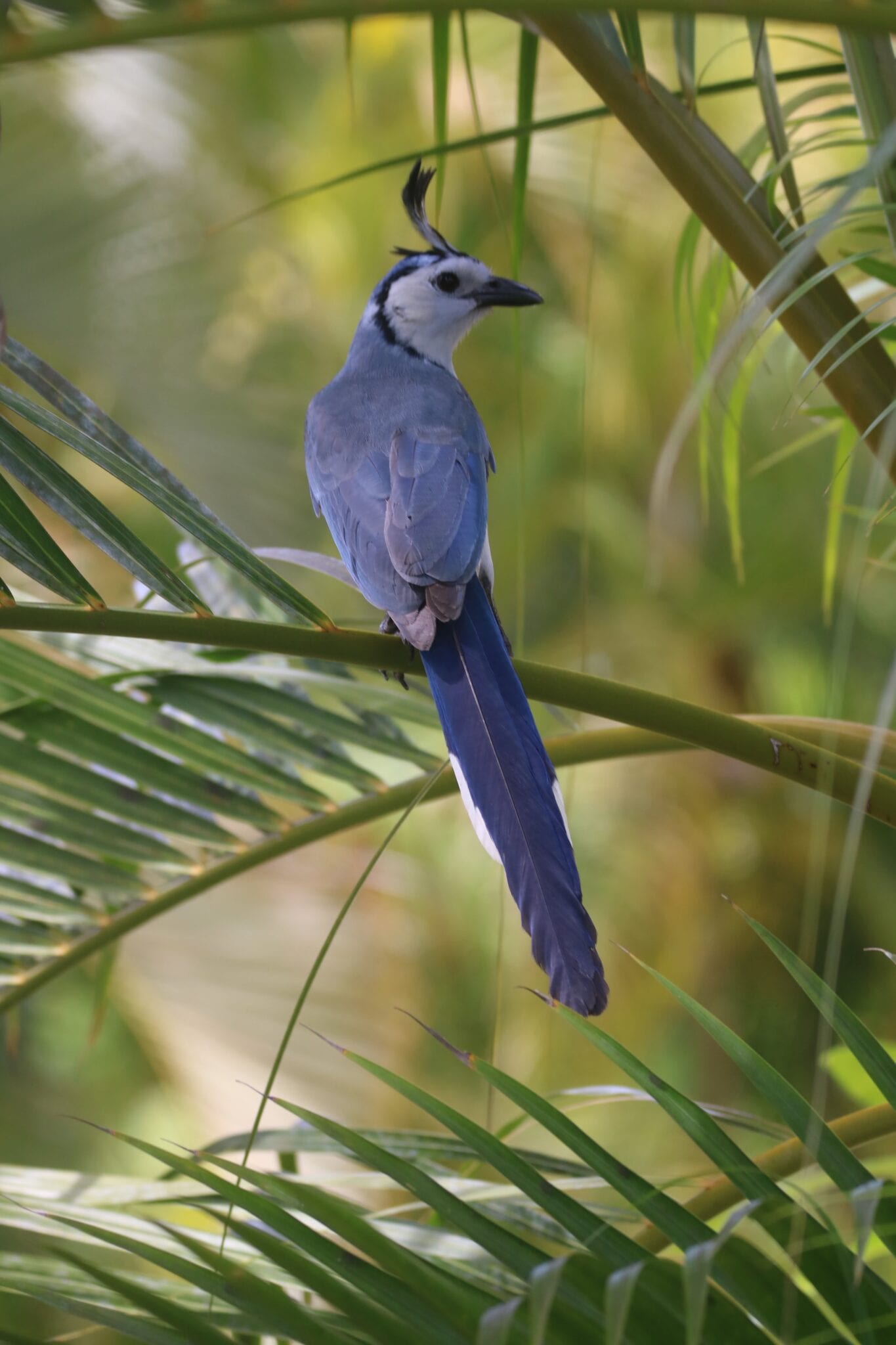
Osa Peninsula is one of Costa Rica’s most visited destinations for good reason: it’s easy to base yourself here, you can get into nature quickly, and you’ll find a mix of viewpoints, short hikes, and wildlife moments without needing a complex itinerary. This guide focuses on practical choices-what to do first, how to time your days, and how to get better photos along the way. Start with the gallery here: https://naturalcostarica.com/location/osa-peninsula.
Top things to do
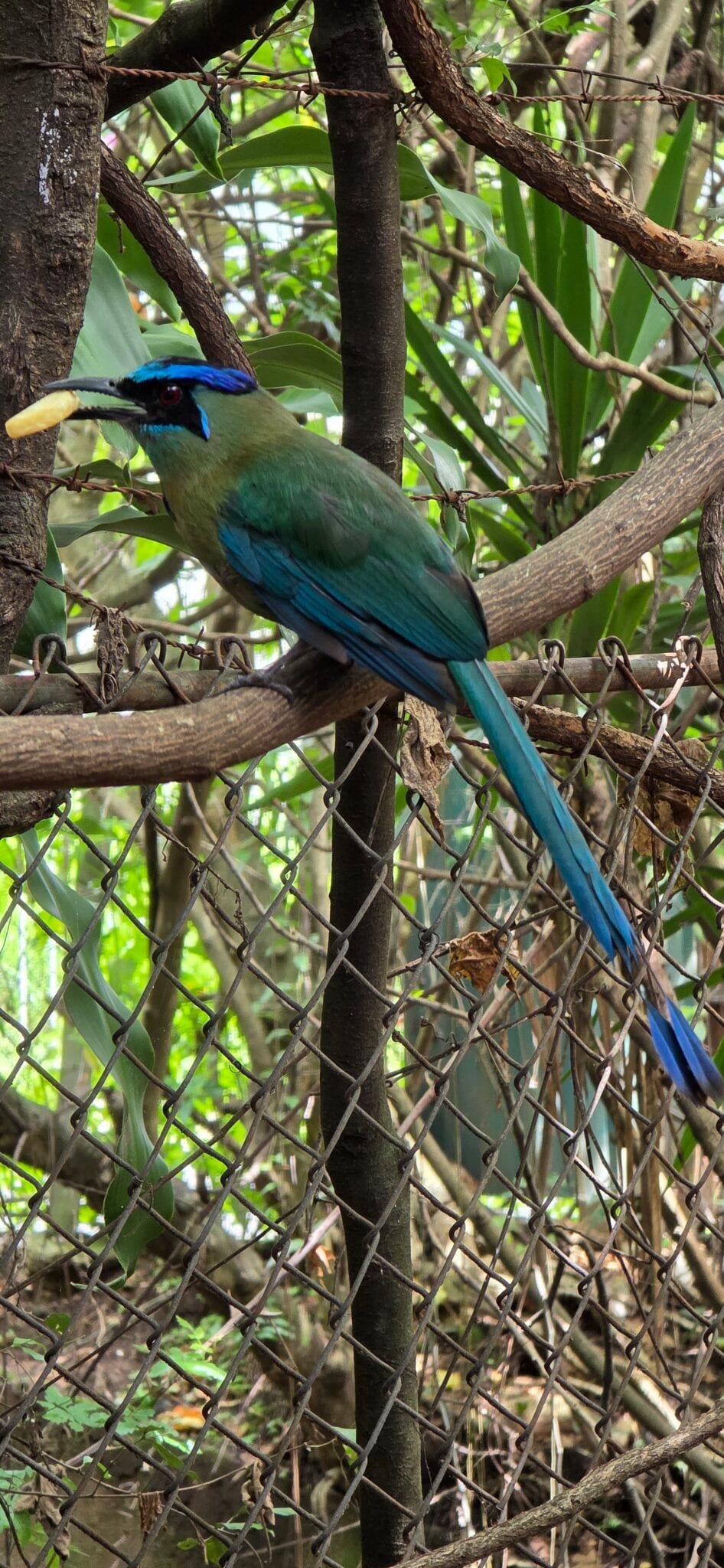
Plan your first day around the easiest “high reward” experiences, then layer in longer adventures:
- Early morning nature walk: Cooler temps, calmer trails, and better wildlife activity.
- Scenic viewpoint or short hike: Look for places with a clear overlook around golden hour.
- Local food stop: A soda (small local restaurant) is a great value for breakfast or lunch.
- One signature activity: Choose a waterfall, a canopy/forest experience, or a coastal sunset depending on the region.
Practical travel tips
When to go: Start your day early. The most comfortable temperatures and the best light for photos are usually before 10am and after 3:30pm. If you’re visiting in the rainy season, short afternoon showers are common-carry a light rain layer and protect your camera.
Getting around: If you’re staying central, you can often walk to restaurants and short stops. For trailheads, viewpoints, or beaches outside town, a rental car or local driver service helps. Keep small cash for parking attendants and simple purchases.
What to pack: Light hiking shoes, bug repellent, sunscreen, a reusable water bottle, and a dry bag for electronics. For photography, a mid-telephoto lens is ideal for birds and monkeys; a wide lens works best for landscapes and waterfalls.
Bird highlight: Pelicans of Costa Rica
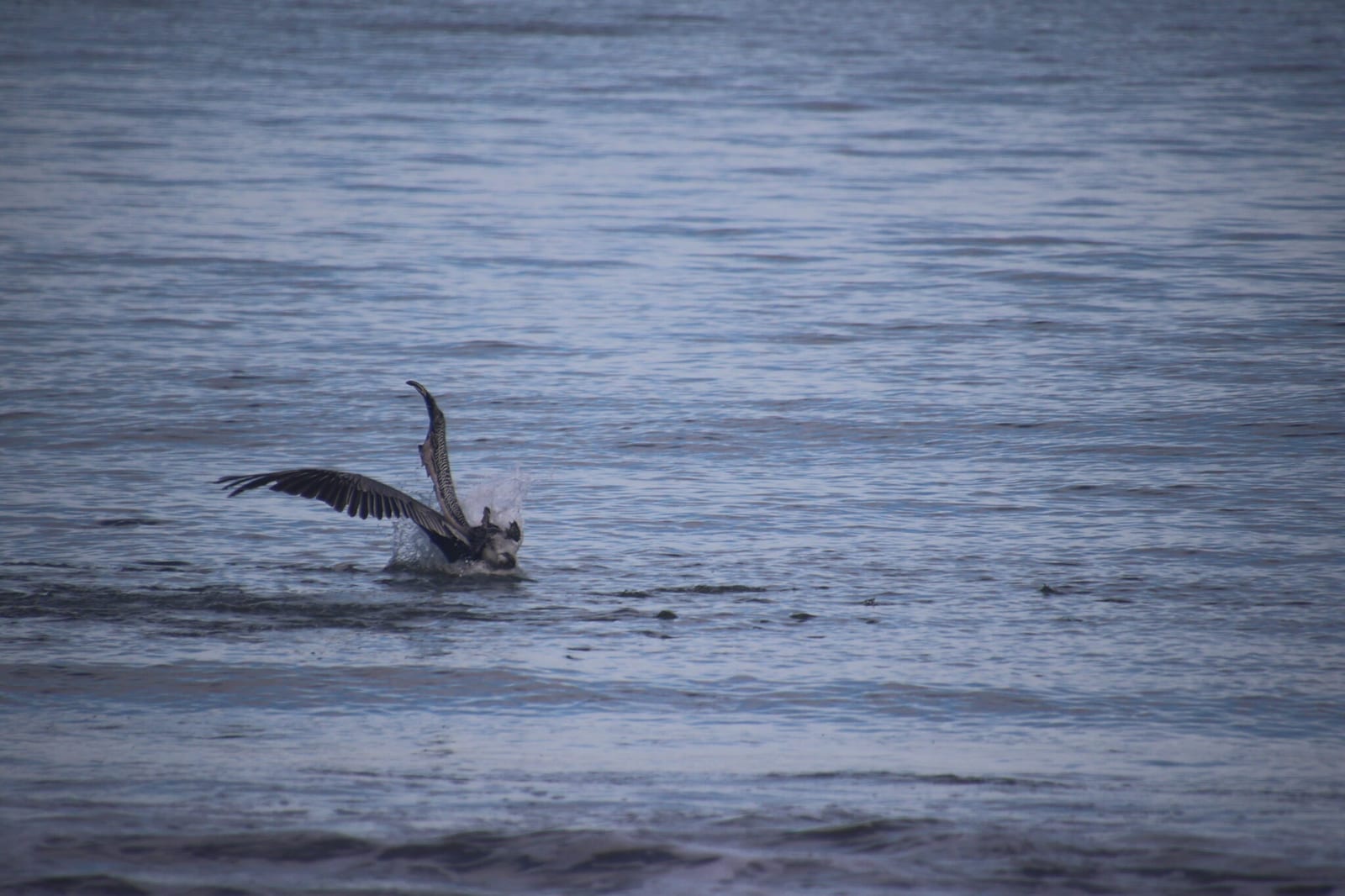
One fun way to connect with the local ecosystem is to keep an eye out for Pelicans of Costa Rica. Bird activity is often strongest in the first hours after sunrise. Look for edges-where forest meets open space-and listen for calls before you search with your eyes. If you’re photographing wildlife, keep respectful distance, avoid playback that stresses animals, and let the bird’s behavior guide you (if it seems alert or disturbed, back off).
Suggested tours
If you prefer a structured day, guided tours can help with logistics and improve your odds of spotting wildlife-especially in dense forest where experienced guides notice what most visitors miss.
Photo spots
Golden hour scouting: Identify one “sunrise” spot and one “sunset” spot the day you arrive. Even a short walk can lead to better angles and cleaner backgrounds. If you’re shooting birds, prioritize soft light and a stable stance-small movements matter at longer focal lengths.
Simple composition rule: Keep horizons level, give wildlife space in the direction it’s looking, and watch for distracting branches cutting across the subject. Use burst mode for birds and keep shutter speed high when they’re active.
Wrap-up
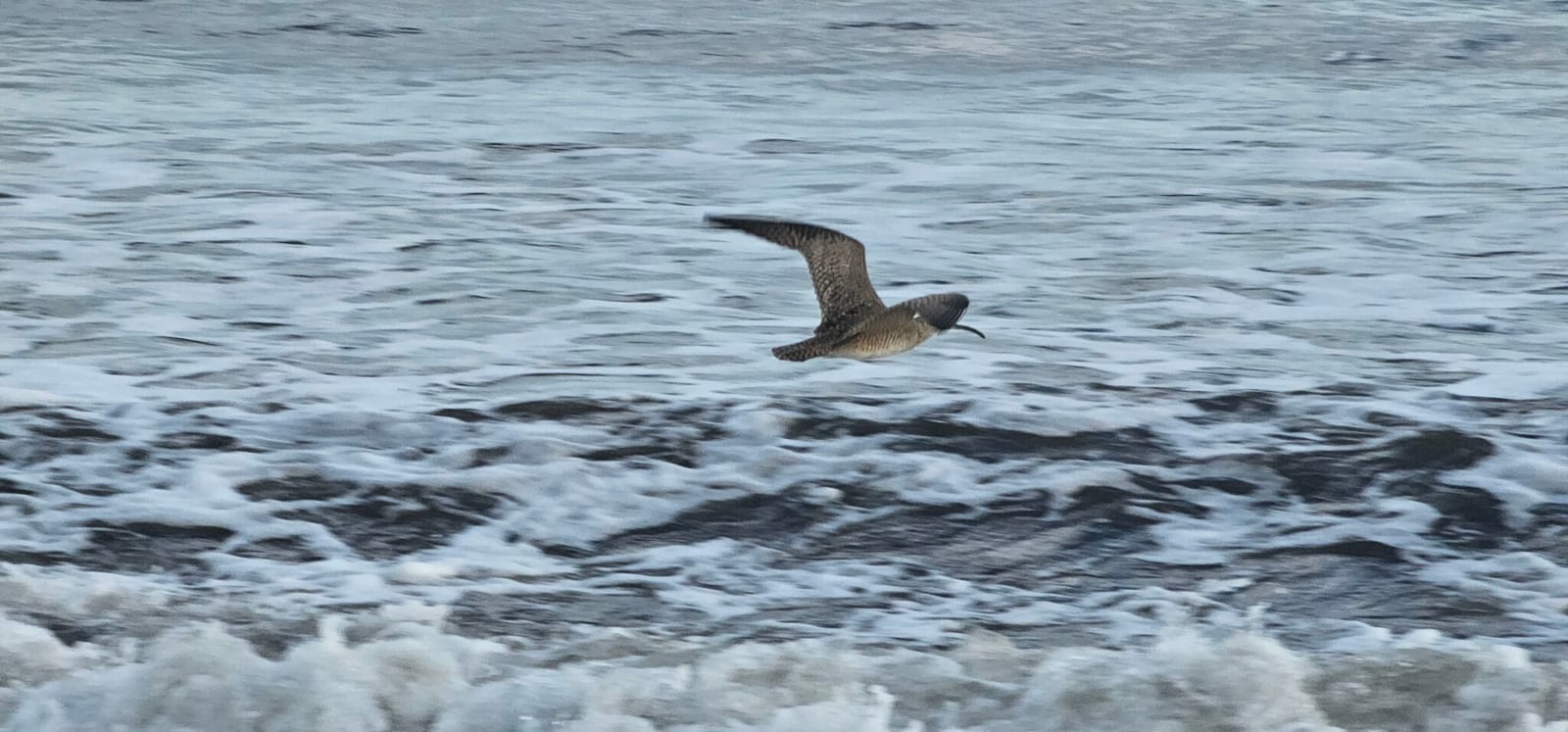
Osa Peninsula works best when you keep it simple: start early, take a midday break, then go back out for late light. Pair your city plan with one or two nature moments and a birding target like Pelicans of Costa Rica, and you’ll come away with a stronger sense of place (and better photos). Explore more destinations and galleries at https://naturalcostarica.com.
Leave a Reply